Category: Festival

  • रक्षा बंधन 2025 कब है? जानिए तारीख, शुभ मुहूर्त, परंपरा, महत्व और मनाने के बदलते तरीके

    रक्षा बंधन 2025 कब है? जानिए तारीख, शुभ मुहूर्त, परंपरा, महत्व और मनाने के बदलते तरीके

    रक्षा बंधन यानी प्यार, रक्षा और भरोसे का उत्सव। यह भारतीय संस्कृति का एक अनमोल पर्व है जो भाई-बहन के रिश्ते की मिठास को और भी मजबूत करता है।
    हर साल यह पर्व श्रावण मास की पूर्णिमा को मनाया जाता है। 2025 में यह त्योहार और भी खास होने वाला है — आइए जानते हैं क्यों।


    📅 रक्षा बंधन 2025 कब है?

    🔸 पर्व🔸 दिनांक🔸 वार
    रक्षा बंधन9 अगस्त 2025शनिवार

    पूर्णिमा तिथि:

    • प्रारंभ: 8 अगस्त 2025 को दोपहर 3:10 बजे
    • समाप्त: 9 अगस्त 2025 को दोपहर 5:25 बजे तक

    राखी बांधने का शुभ मुहूर्त:
    🕒 सुबह 5:39 AM से दोपहर 1:24 PM तक

    👉 भद्रा काल इस दिन नहीं रहेगा, इसलिए पूरे मुहूर्त में राखी बांधना शुभ माना गया है।


    📖 रक्षा बंधन का पौराणिक और ऐतिहासिक महत्व

    ✨ भगवान श्रीकृष्ण और द्रौपदी

    महाभारत में, जब भगवान श्रीकृष्ण की उंगली कट गई, तब द्रौपदी ने अपनी साड़ी का पल्लू फाड़कर उनकी उंगली पर बांधा। इस बंधन को श्रीकृष्ण ने जीवनभर निभाया और द्रौपदी के चीरहरण के समय उसकी रक्षा की।

    👑 रानी कर्णावती और हुमायूं

    राजपूताना की रानी कर्णावती ने मुग़ल सम्राट हुमायूं को राखी भेजकर मदद की गुहार लगाई थी। हुमायूं ने राखी के इस रिश्ते को स्वीकारते हुए उसकी सहायता की।

    👉 ये कथाएँ इस त्योहार के गहरे भाव और परंपरा की गवाही देती हैं।


    🪔 राखी बांधने की पारंपरिक विधि

    पूजा की तैयारी:

    • पूजा थाली में रखें: राखी, रोली, चावल, दीपक और मिठाई
    • भाई को साफ वस्त्र पहनाकर पूर्व दिशा में बैठाएं
    • तिलक करें, अक्षत लगाएं, राखी बांधें और आरती करें
    • मिठाई खिलाकर उपहारों का आदान-प्रदान करें

    ✅ इस दिन व्रत नहीं रखा जाता, लेकिन कुछ लोग उपवास रखते हैं।


    🧵 राखी से जुड़ी कुछ विशेष बातें

    • राखी केवल भाई को ही नहीं, आजकल बहनें भी बहनों को, बहुएं देवरों को और मित्र एक-दूसरे को भी राखी बांधते हैं।
    • रक्षा बंधन अब केवल रिश्ते का नहीं, बल्कि भावनात्मक जुड़ाव और विश्वास का प्रतीक बन गया है।

    🌍 बदलते दौर में रक्षा बंधन कैसे मनाया जा रहा है?

    💡 1. डिजिटल राखी

    दूर बैठे भाइयों को बहनें अब ई-राखी, वीडियो कॉल राखी समारोह, या डिजिटल कार्ड्स भेजती हैं।

    🌿 2. ईको-फ्रेंडली राखी

    पर्यावरण को ध्यान में रखते हुए अब बीज वाली राखियाँ, हैंडमेड राखियाँ, और बायोडिग्रेडेबल पैकिंग लोकप्रिय हो रही है।

    📦 3. कस्टमाइज्ड गिफ्ट्स

    राखी के साथ भाई-बहन एक-दूसरे को फोटो फ्रेम, मग्स, हस्तनिर्मित चीजें या डिजिटल स्क्रैपबुक गिफ्ट कर रहे हैं।


    🎁 रक्षा बंधन गिफ्ट आइडियाज़ 2025

    बजटगिफ्ट्स के विकल्प
    ₹100–₹300Keychains, राखी कार्ड्स, Plantables
    ₹300–₹700Personalised mugs, Chocolates, Rakhi Hampers
    ₹700+Smart gadgets, Fashion items, Books, Subscription boxes

    📝 आप handmade गिफ्ट्स देकर त्योहार को और भी खास बना सकते हैं।


    💬 रक्षा बंधन 2025 के लिए सोशल मीडिया पर इस्तेमाल करने लायक लाइनें

    1. “रिश्तों की मिठास को बांधे एक धागा – रक्षा बंधन मुबारक!”
    2. “एक राखी, हजारों वादे – Happy Raksha Bandhan 2025!”
    3. “इस बार राखी डिजिटल है, पर भावना वही है।”

    ❓ अक्सर पूछे जाने वाले सवाल (FAQs)

    Q. क्या रक्षा बंधन पर उपवास रखना जरूरी है?

    नहीं, यह व्रत का पर्व नहीं है। लेकिन कुछ लोग श्रद्धा से उपवास रखते हैं।

    Q. अगर भाई दूर हो तो राखी कैसे भेजें?

    राखी को आप डाक, कुरियर, ऑनलाइन वेबसाइट्स या ई-राखी के रूप में भेज सकते हैं।

    Q. क्या इस दिन कोई अशुभ समय होता है?

    हाँ, भद्रा काल को अशुभ माना जाता है। इस साल (2025) भद्रा नहीं है, तो पूरा दिन शुभ रहेगा।


    🔚 निष्कर्ष: एक धागा, एक वादा, एक त्योहार

    रक्षा बंधन सिर्फ एक दिन नहीं, बल्कि वो भावना है जो सुरक्षा, प्रेम और सम्मान को दर्शाती है।
    2025 में भले ही ज़माना डिजिटल हो गया हो, लेकिन राखी की मिठास अब भी दिलों को जोड़ने का काम करती है।

    इस बार का रक्षा बंधन बनाइए खास — एक छोटी सी राखी से, एक सच्चे रिश्ते को और भी मजबूत बनाकर।


    ⚠️ Disclaimer:

    यह लेख केवल सामान्य जानकारी हेतु है। शुभ मुहूर्त और धार्मिक परंपराओं की पुष्टि अपने स्थानीय पंचांग या पंडित से अवश्य करें।

  • When is Father’s Day 2025? History, Date & Meaning Behind the Celebration

    When is Father’s Day 2025? History, Date & Meaning Behind the Celebration

    📌 Introduction: Celebrating the Hero Behind the Scenes

    Every year, a special Sunday rolls around that reminds us to celebrate the man who taught us how to ride a bicycle, cheered from the sidelines, or quietly worked long hours to make life easier for his children. That day is Father’s Day.

    In 2025, Father’s Day falls on Sunday, June 15th.

    But beyond the cards, gifts, and grand gestures lies a story worth exploring—why do we celebrate Father’s Day, and how did it begin? This blog takes a deep dive into the history, date significance, and cultural meaning of this heartfelt day.


    🗓️ When is Father’s Day 2025?

    In most countries including India, USA, UK, Canada, and South Africa, Father’s Day is celebrated on the third Sunday of June.

    • Date in 2025: Sunday, June 15, 2025

    The day is not fixed like Diwali or Christmas, but it always falls on a Sunday—perfect for a day of rest and celebration with Dad.


    📖 History of Father’s Day – Where It All Began

    👧 The Daughter Who Started It All

    Father’s Day was first proposed in the early 20th century by Sonora Smart Dodd of Spokane, Washington (USA). She was inspired after hearing a Mother’s Day sermon and wanted to honor her father—William Jackson Smart, a Civil War veteran who raised six children as a single parent.

    Her proposal was accepted, and the first Father’s Day was celebrated on June 19, 1910.

    🏛️ From Local to National

    Although the idea gained popularity, it took decades for Father’s Day to be officially recognized. In 1972, President Richard Nixon signed it into law as a permanent national holiday in the United States.


    🌏 How Is Father’s Day Celebrated Around the World?

    🇮🇳 India

    Families spend the day with fathers, sharing meals, giving gifts, and showing gratitude through social media posts and handwritten letters.

    🇺🇸 United States

    Children give cards, ties, tools, or plan outings. Many churches and schools host special events.

    🇬🇧 United Kingdom

    Breakfast in bed, family lunches, and homemade gifts are common.

    🇧🇷 Brazil

    Interestingly, Brazil celebrates Father’s Day in August, close to St. Joachim’s Day, the patron of fathers.

    🌍 Global Variations

    • Germany: Known as Vatertag, it coincides with Ascension Day and is celebrated with hiking and beer.
    • Thailand: Celebrated on the king’s birthday (December 5), honoring both the father and the monarch.

    🎯 Why Is Father’s Day Important?

    1. 👨‍👧 It Strengthens Family Bonds

    Recognizing a father’s role builds deeper emotional connections.

    2. 🧠 It Improves Mental Health

    Appreciation boosts a father’s sense of value, which positively impacts mental health.

    3. 👏 It Breaks Stereotypes

    Father’s Day shifts focus from the outdated “strict father” stereotype to the modern, nurturing dad.


    🎁 Popular Father’s Day Traditions

    • Handwritten notes or cards
    • DIY gifts made by kids
    • Father-child adventures – fishing, biking, picnics
    • Favorite food feasts – surprise breakfast or dinner
    • Family prayers or gratitude circles

    🧠 Fun Facts About Father’s Day

    • The most gifted items on Father’s Day are neckties, watches, and grooming products.
    • Spending on Father’s Day has grown steadily, nearing $20 billion USD annually.
    • Father’s Day is the fourth-largest card-sending holiday in the U.S.

    What to Do on Father’s Day 2025 – Ideas to Make It Special

    For Kids:

    • Create a handmade card or draw a picture
    • Record a cute video message saying “I love you Dad!”

    For Adults:

    • Plan a surprise dinner or cook his favorite meal
    • Gift a thoughtful book, gadget, or tool he’s been wanting
    • Revisit old photos and make a scrapbook

    For Long-Distance Families:

    • Video call and play an online quiz or game together
    • Send a care package with personalized goodies

    🧘‍♂️ Conclusion: Every Day Can Be Father’s Day

    While June 15th, 2025, is the official date, our love and gratitude for fathers shouldn’t be reserved for just one day. Whether he’s your biological dad, stepdad, grandfather, or a father-figure—he deserves to be celebrated.

    So go beyond the card. Say thank you. Spend time. Listen. Laugh. And maybe, just maybe, make him feel like the superhero he’s always been to you.


    ⚠️ Disclaimer

    This article is intended for informational and celebratory purposes. Cultural practices and observance dates may vary by country, religion, or region. Always check with local calendars for precise details.

  • Celebrating the Joyous Festivals of Shravan Month (Savan Maas): Janmashtami and Ganesh Chaturthi

    Celebrating the Joyous Festivals of Shravan Month (Savan Maas): Janmashtami and Ganesh Chaturthi

    As the monsoon showers drench the Indian subcontinent, the vibrant festival season of Savan Maas ushers in a time of devotion, joy, and cultural festivities. This period, nestled between July and August, is marked by a series of significant Hindu festivals that highlight the spiritual and cultural richness of India. Among the most prominent are Janmashtami, celebrating the birth of Lord Krishna, and Ganesh Chaturthi, honoring the beloved elephant-headed god, Ganesha. Let’s explore these festivals and their significance in detail.

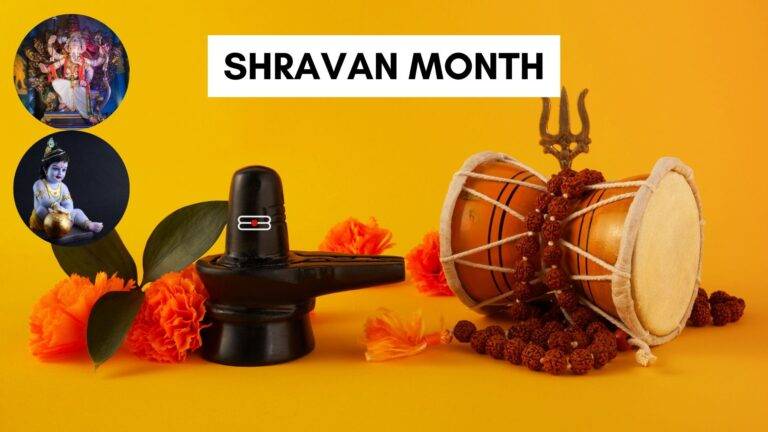
    Savan Maas: The Holy Month (Shravan Month)

    Savan Maas

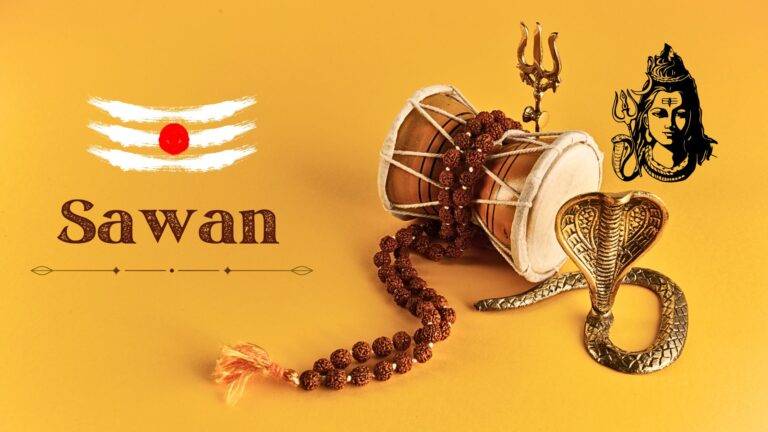
    Savan Maas, also known as Shravan, is the fifth month in the Hindu calendar and is considered highly auspicious. It is dedicated to Lord Shiva, with devotees observing fasts and performing special prayers. The monsoon season adds a mystical charm to the worship rituals, with devotees visiting Shiva temples and offering holy water from the Ganges.

    Janmashtami: The Birth of Lord Krishna

    Savan Maas

    Janmashtami marks the birth of Lord Krishna, the eighth avatar of Lord Vishnu. Celebrated with great fervor and enthusiasm, this festival brings together communities in a joyous celebration of Krishna’s life and teachings. The festivities often start with fasting and prayers, culminating in the midnight birth ceremony known as ‘Krishna Janam.’ Homes and temples are decorated with flowers and lights, and devotees sing bhajans and kirtans in praise of Lord Krishna.

    One of the highlights of Janmashtami is the ‘Dahi Handi’ event, where teams of young men form human pyramids to break a pot of curd hung high above the ground. This symbolizes Krishna’s playful nature and his love for butter and curd.

    Ganesh Chaturthi: Welcoming Lord Ganesha

    Savan Maas

    Following Janmashtami is Ganesh Chaturthi, a ten-day festival celebrating the birth of Lord Ganesha, the remover of obstacles and the god of wisdom and prosperity. The festival begins with the installation of beautifully crafted Ganesha idols in homes and public pandals (temporary structures). Devotees perform daily prayers and aarti, seeking the blessings of Lord Ganesha for success and well-being.

    On the last day, known as Anant Chaturdashi, the idols are taken in grand processions to rivers or seas for immersion (visarjan). This ritual signifies the return of Lord Ganesha to his celestial abode, accompanied by the chants of “Ganpati Bappa Morya, Pudhchya Varshi Lavkar Ya” (O Lord Ganesha, come again early next year).

    The Cultural Significance

    These festivals are not just religious events but also cultural celebrations that bring people together, transcending social and economic barriers. They promote unity, harmony, and a sense of community. The colorful decorations, melodious bhajans, and the aroma of delicious traditional sweets and savories create an atmosphere of joy and devotion.

    Conclusion

    The festivals of Savan Maas, Janmashtami, and Ganesh Chaturthi are a testament to India’s rich cultural heritage and its deep-rooted spiritual traditions. They remind us of the timeless values of devotion, unity, and celebration of life. As the festivities light up our hearts and homes, they also inspire us to embrace the teachings of these deities and strive for a life of righteousness, wisdom, and prosperity.

  • Lahariya in Sawan: Celebrating Tradition and Culture with Vibrant Waves

    Lahariya in Sawan: Celebrating Tradition and Culture with Vibrant Waves

    Lahariya, a traditional art form associated with the holy month of Sawan (Shravan), is a captivating aspect of Indian cultural heritage. This unique art not only reflects the spirit of Sawan but also showcases the rich traditions and artistic expressions of the regions where it is celebrated. In this blog, we’ll delve into the origins, significance, and vibrant essence of Lahariya, exploring how this art form beautifully intertwines with the festive spirit of Sawan.

    What is Lahariya?

    lahariya
    Image source : holythread.in

    Lahariya, meaning “waves” in Hindi, is a traditional pattern of tie-and-dye fabric originating from Rajasthan, India. The term “Lahariya” specifically refers to the wave-like patterns that are created through a distinctive tie-and-dye technique. This intricate art form is known for its vibrant colors and dynamic designs, which symbolize the flowing and undulating nature of waves.

    The Art of Lahariya

    lahariya
    Image source : utsavpedia.com

    Tie-and-Dye Technique:
    The process of creating Lahariya involves a tie-and-dye technique where fabric is tied in specific patterns before being dyed. This results in beautiful wave-like designs, with colors blending in a manner reminiscent of flowing water. The technique requires skill and precision, as the tying and dyeing must be done carefully to achieve the desired patterns.

    Colors and Patterns:
    Lahariya fabrics are often characterized by bright, contrasting colors that represent the energy and vibrancy of the season. Common colors include shades of blue, green, yellow, and pink, which are dyed in stripes or waves. The patterns typically resemble the ripples and waves of water, reflecting the monsoon rains that are central to the Sawan season.

    Lahariya and Sawan: A Cultural Connection

    lahariya
    Image source : lahariya_garments_chotu_dewasi

    Symbolism of Sawan

    Sawan, also known as Shravan, is the fifth month of the Hindu lunar calendar and is dedicated to Lord Shiva. It is a time of monsoon rains, spiritual reflection, and devotion. The arrival of Sawan brings rejuvenation and new life to the land, which is mirrored in the vibrant and dynamic patterns of Lahariya.

    Lahariya as a Symbol of Sawan

    During the Sawan month, Lahariya becomes a prominent part of cultural celebrations, especially in regions like Rajasthan and Gujarat. The colorful Lahariya sarees and dupattas are worn by women during religious ceremonies, festivals, and daily worship. The flowing patterns of Lahariya are symbolic of the monsoon rains and the waves of devotion that accompany this sacred month.

    The Rituals of Lahariya in Sawan

    Craftsmanship and Preparation

    In preparation for Sawan, artisans meticulously create Lahariya fabrics, often in preparation for festivals like Raksha Bandhan and Janmashtami, which fall during this time. The fabric is dyed in a range of vibrant colors, and the traditional wave patterns are applied to symbolize the arrival of the monsoon and the blessings of Lord Shiva.

    Wearing Lahariya

    lahariya
    Image Source : baisacraft.myshopify.com

    During Sawan, women traditionally wear Lahariya sarees, dupattas, and other garments, which are believed to bring good fortune and enhance their spiritual experience. The vibrant colors and patterns are not only aesthetically pleasing but also represent the festive spirit and the flow of divine energy.

    Community Celebrations

    Lahariya also plays a role in community celebrations and cultural events during Sawan. Traditional dances, music, and fairs often feature Lahariya patterns, creating a lively and festive atmosphere. The art form contributes to the overall cultural experience, bringing people together in joyous celebration.

    The Modern Revival of Lahariya

    lahariya
    Image Source : shopcultmodern.com

    In recent years, Lahariya has experienced a revival, with contemporary designers incorporating this traditional art form into modern fashion. The timeless beauty of Lahariya patterns has found its place in fashion runways and retail markets, bridging the gap between tradition and modernity. This revival not only preserves the cultural heritage but also introduces Lahariya to a new audience.

    Contemporary Fashion

    Modern designers are experimenting with Lahariya patterns in various clothing items, including dresses, accessories, and home decor. The integration of traditional patterns into contemporary fashion reflects the enduring appeal of Lahariya and its relevance in today’s world.

    Conclusion

    Lahariya, with its vibrant wave patterns and rich cultural heritage, beautifully embodies the essence of Sawan. This traditional art form is more than just a textile; it is a symbol of the monsoon season, spiritual devotion, and community celebration. As we celebrate Sawan, embracing the colors and patterns of Lahariya allows us to connect with our cultural roots and appreciate the timeless beauty of this remarkable art form. Whether worn in traditional garments or featured in modern fashion, Lahariya continues to be a vibrant expression of Indian heritage and creativity.