Category: Women Health

  • पीरियड्स से जुड़ी आम समस्याएं और घरेलू समाधान

    पीरियड्स से जुड़ी आम समस्याएं और घरेलू समाधान

    Image Source- CANVA

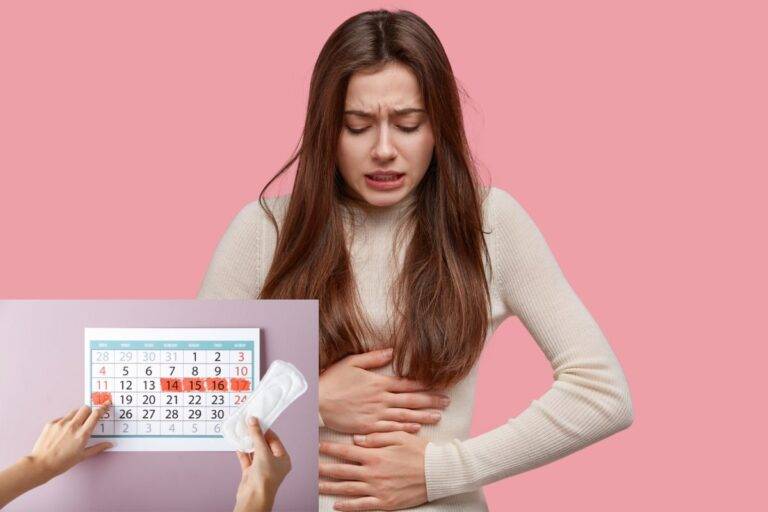
    हर महीने महिलाओं को पीरियड्स का सामना करना पड़ता है, जो शरीर की एक प्राकृतिक प्रक्रिया है। हालांकि, कई महिलाओं के लिए यह अनुभव असहज और पीड़ादायक हो सकता है। पीरियड्स के दौरान होने वाली समस्याएं जैसे पेट दर्द, मूड स्विंग्स, थकान, अत्यधिक ब्लीडिंग आदि रोजमर्रा की गतिविधियों को प्रभावित कर सकती हैं।

    इस लेख में हम जानेंगे पीरियड्स से जुड़ी आम समस्याएं और उनके आसान व घरेलू समाधान।


    1. पेट में ऐंठन (Menstrual Cramps)

    Image Source- CANVA

    समस्या:

    पीरियड्स के पहले या पहले दो-तीन दिनों में पेट के निचले हिस्से में तेज़ ऐंठन या दर्द होना बहुत सामान्य है।

    घरेलू समाधान:

    • गर्म पानी की थैली: दर्द वाले हिस्से पर गर्म पानी की थैली रखने से रक्त प्रवाह बेहतर होता है और मांसपेशियों को राहत मिलती है। 🔥
    • दालचीनी और सौंफ की चाय: ये दोनों हर्ब्स एंटी-स्पास्मोडिक और एंटी-इंफ्लेमेटरी होती हैं, जो दर्द में राहत देती हैं। ☕
    • हल्की एक्सरसाइज या योग: विशेष रूप से “बालासन” और “सेतु बंधासन” जैसी मुद्राएं दर्द में आराम देती हैं। 🧘‍♀️

    2. अत्यधिक ब्लीडिंग (Heavy Bleeding)

    Image Source- CANVA

    समस्या:

    अगर आपको हर महीने 6-7 दिन से ज़्यादा पीरियड्स आते हैं या बार-बार पैड बदलना पड़ता है, तो यह भारी रक्तस्राव का संकेत हो सकता है।

    घरेलू समाधान:

    • मेथी के दाने का पानी: रातभर भिगोकर सुबह मेथी का पानी पीने से ब्लीडिंग नियंत्रित होती है। 🌿
    • अनार का रस: आयरन की कमी को पूरा करता है और ब्लीडिंग कम करने में मदद करता है। 🍷
    • ठंडी चीज़ों से परहेज़ करें: दही, बर्फ, ठंडे पेय पदार्थ इन दिनों में लेने से ब्लीडिंग बढ़ सकती है।

    🔔 नोट: अगर ब्लीडिंग बहुत ज़्यादा हो रही है तो डॉक्टर से परामर्श अवश्य लें।


    3. मूड स्विंग्स और चिड़चिड़ापन

    Image Source- CANVA

    समस्या:

    पीरियड्स के दौरान हार्मोनल बदलाव के कारण महिलाओं को भावनात्मक असंतुलन, तनाव और चिड़चिड़ाहट महसूस हो सकती है।

    घरेलू समाधान:

    • डार्क चॉकलेट का सेवन: यह मूड को बेहतर बनाती है और डोपामिन हॉर्मोन बढ़ाती है। 🍫
    • गर्म दूध में हल्दी: हल्दी प्राकृतिक एंटी-डिप्रेसेंट के रूप में काम करती है। 🥛
    • आरामदायक संगीत और मेडिटेशन: मन को शांत रखने के लिए ध्यान और पसंदीदा संगीत सुनना फायदेमंद है। 🎵

    4. थकान और ऊर्जा की कमी

    Image Source- CANVA

    समस्या:

    पीरियड्स के दौरान शरीर थका हुआ महसूस करता है और ऊर्जा का स्तर गिर जाता है।

    घरेलू समाधान:

    • गुड़ और तिल का लड्डू: यह आयरन और कैल्शियम से भरपूर होता है, जिससे शरीर को ताकत मिलती है। 🍬
    • नारियल पानी या नींबू पानी: इलेक्ट्रोलाइट्स की भरपाई करके ताजगी देता है। 🥥🍋
    • भरपूर नींद: 7–8 घंटे की गहरी नींद शरीर को रिपेयर करती है और ऊर्जा वापस लाती है। 🛏️

    5. पीठ दर्द और कमर में जकड़न

    Image Source- CANVA

    समस्या:

    पीरियड्स के समय पीठ और कमर में दर्द रहना बहुत आम बात है, जो काम करने की क्षमता को प्रभावित कर सकता है।

    घरेलू समाधान:

    • सरसों के तेल से मालिश: कमर पर हल्की गर्म सरसों के तेल की मालिश आराम देती है। 💆‍♀️
    • गर्म पानी से स्नान: यह मांसपेशियों को ढीलापन देता है और दर्द कम करता है। 🚿
    • हल्की स्ट्रेचिंग: पीठ को झुकाने वाले व्यायाम करने से तनाव कम होता है।

    6. अपच या पेट फूला हुआ महसूस होना

    Image Source- CANVA

    समस्या:

    कुछ महिलाओं को पीरियड्स के दौरान पेट भारी और फूला हुआ लगता है, जिससे असहजता होती है।

    घरेलू समाधान:

    • हींग पानी: एक चुटकी हींग को गर्म पानी में मिलाकर पीने से गैस और अपच से राहत मिलती है। 💨
    • पुदीना और सौंफ की चाय: यह पाचन क्रिया को सुधारती है और सूजन को कम करती है। 🌿
    • अधिक पानी पिएं: इससे शरीर के विषैले तत्व बाहर निकलते हैं और पेट साफ रहता है। 💧

    7. स्किन प्रॉब्लम्स (मुंहासे या दाने)

    Image Source- CANVA

    समस्या:

    पीरियड्स से कुछ दिन पहले चेहरे पर मुंहासे निकलना हार्मोनल बदलावों का संकेत है।

    घरेलू समाधान:

    • नीम और तुलसी का पेस्ट: चेहरे पर लगाने से मुंहासे कम होते हैं। 🌱
    • एलोवेरा जेल: त्वचा को ठंडक और नमी देता है। ❄️
    • तेलियुक्त आहार से परहेज: फ्राइड फूड्स मुंहासों को बढ़ा सकते हैं।

    निष्कर्ष (Conclusion)

    पीरियड्स महिलाओं के जीवन का एक सामान्य लेकिन संवेदनशील हिस्सा है। इन दिनों थोड़ा सा ध्यान, पौष्टिक भोजन और घरेलू उपाय अपनाकर आप इन समस्याओं को काफी हद तक कम कर सकती हैं। हालांकि यदि समस्याएं लगातार बनी रहती हैं या बढ़ जाती हैं, तो डॉक्टरी सलाह ज़रूर लें।


    अस्वीकरण (Disclaimer):

    यह लेख केवल सामान्य जानकारी के उद्देश्य से लिखा गया है। किसी भी स्वास्थ्य समस्या के लिए विशेषज्ञ डॉक्टर से सलाह अवश्य लें।

  • First Time Period Safety and Symptoms: How to Handle the Situation

    First Time Period Safety and Symptoms: How to Handle the Situation

    The first menstrual period, also known as menarche, is a significant milestone in a young girl’s life. It can be both exciting and a bit overwhelming, as it marks the beginning of a new phase of physical development. Understanding the symptoms, safety measures, and how to handle the situation can help ease any anxiety and ensure a positive experience. First Time Period

    Recognizing the Symptoms

    1. Physical Signs:

    • Breast Development: One of the earliest signs of puberty is breast development, which can start several months to years before the first period.
    • Pubic Hair Growth: The appearance of pubic hair is another early sign of approaching menstruation.
    • Vaginal Discharge: A white or clear discharge may occur for several months before the first period. This is normal and indicates that the body is preparing for menstruation.
    • Cramps: Mild abdominal cramps can occur a few days before the period starts, similar to those experienced during menstruation.
    First Time Period

    2. Emotional Changes:

    • Mood Swings: Hormonal changes can lead to mood swings, irritability, or emotional sensitivity.
    • Increased Appetite: Hormonal fluctuations might cause changes in appetite or cravings.

    Safety Measures and Preparation

    1. Menstrual Products:

    • Sanitary Pads: Ensure access to sanitary pads, which are easy to use for first-timers. Opt for pads with wings to provide better protection.
    • Tampons and Menstrual Cups: Although tampons and menstrual cups are also options, they might require more guidance and comfort for a first-time user.

    2. Personal Hygiene:

    • Regular Change: Change sanitary pads every 4-6 hours to maintain hygiene and prevent any potential infections.
    • Washing: Wash the genital area with warm water and mild soap regularly. Avoid using scented products which can cause irritation.
    First Time Period

    3. Emergency Kit:

    • Period Kit: Create a small period kit to carry in school bags or purses. Include sanitary pads, spare underwear, and wet wipes for quick clean-up.
    • Pain Relief: Include pain relief options like a small hot water bottle or over-the-counter pain relievers, such as ibuprofen or acetaminophen.

    Handling the Situation

    1. Open Communication:

    • Talking About It: Parents or guardians should have an open and supportive conversation about menstruation. Explain that it is a natural and normal part of growing up.
    • Answer Questions: Encourage questions and provide clear, accurate information.

    2. Practical Tips:

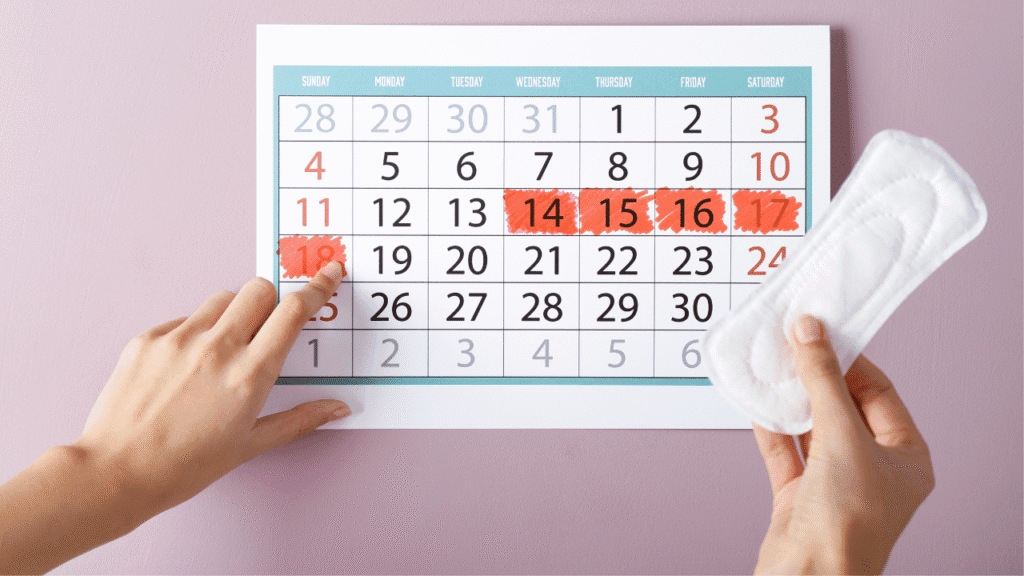
    • Tracking the Cycle: Start tracking periods on a calendar or a period-tracking app. This helps in anticipating the next cycle and being prepared.
    • School and Activities: Ensure the young girl knows how to discreetly carry and change sanitary products at school or during activities. Discuss what to do if she needs assistance.

    3. Emotional Support:

    • Reassurance: Reassure her that experiencing a range of emotions is normal. Be patient and understanding during this transitional period.
    • Comfort Measures: Suggest using warm compresses or a heating pad to alleviate cramps. Gentle exercise, like walking, can also help ease discomfort.

    Conclusion

    The first period is a significant event in a girl’s life, marking the beginning of womanhood. By understanding the symptoms, taking necessary safety measures, and providing emotional and practical support, parents and guardians can ensure that the experience is as positive and stress-free as possible. Open communication, preparation, and reassurance play crucial roles in helping young girls navigate this new chapter with confidence.

    First Time Period
  • How to Care Before Pregnancy: A Guide and Tips

    How to Care Before Pregnancy: A Guide and Tips

    Preparing for pregnancy is a significant step that involves physical, emotional, and lifestyle changes. Whether you’re planning to conceive soon or in the future, taking steps to ensure your body is ready for a healthy pregnancy is essential. This guide provides tips and advice on how to care for yourself before pregnancy.

    1. Schedule a Preconception Checkup

    Before trying to conceive, it’s a good idea to visit your healthcare provider for a preconception checkup. During this visit, your doctor will:

    • Review your medical history
    • Conduct necessary tests
    • Discuss your current medications and their safety during pregnancy
    • Provide advice on lifestyle changes

    2. Take Prenatal Vitamins

    Start taking a prenatal vitamin that includes folic acid. Folic acid is crucial for the early development of the baby’s neural tube, which becomes the brain and spinal cord. Aim for at least 400 micrograms of folic acid daily.

    Pregnancy

    3. Maintain a Healthy Diet

    A balanced diet is vital for overall health and fertility. Focus on:

    • Eating plenty of fruits and vegetables
    • Including whole grains
    • Consuming lean proteins
    • Getting adequate dairy or calcium-rich alternatives

    Avoid foods high in mercury, like certain fish, and limit caffeine intake.

    Pregnancy

    4. Achieve a Healthy Weight

    Being overweight or underweight can affect your ability to conceive and may lead to complications during pregnancy. Aim for a healthy weight by balancing calorie intake with physical activity.

    5. Exercise Regularly

    Regular physical activity can help you maintain a healthy weight, reduce stress, and improve your overall health. Aim for at least 150 minutes of moderate aerobic activity each week.

    6. Avoid Harmful Substances

    • Quit Smoking: Smoking can reduce fertility and increase the risk of miscarriage and birth defects.
    • Limit Alcohol: Avoid alcohol when trying to conceive as it can affect fertility and harm the baby.
    • Avoid Recreational Drugs: These can have severe consequences on your fertility and the baby’s health.
    Pregnancy

    7. Manage Stress

    Stress can negatively impact fertility. Engage in activities that help you relax and manage stress, such as:

    • Yoga
    • Meditation
    • Deep breathing exercises
    • Spending time with loved ones

    8. Understand Your Menstrual Cycle

    Tracking your menstrual cycle helps you understand your fertility window. Ovulation typically occurs about 14 days before your next period. Knowing this can help you time intercourse for when you’re most fertile.

    9. Update Your Vaccinations

    Ensure your vaccinations are up-to-date, especially for diseases like rubella, which can cause serious birth defects. Your doctor can provide guidance on any necessary vaccinations before conception.

    10. Discuss Genetic Screening

    Depending on your family history, your doctor might recommend genetic screening to identify any potential inherited conditions that could affect your baby.

    11. Environmental Safety

    Be mindful of your environment. Avoid exposure to harmful chemicals and pollutants, which can affect your fertility and the health of your future baby.

    12. Support System

    Build a support system. Whether it’s family, friends, or a support group, having people to talk to and lean on can make the preconception period less stressful.

    Conclusion

    Preparing for pregnancy is about taking proactive steps to ensure your body is in the best possible shape to support a healthy pregnancy. By following these tips and maintaining a healthy lifestyle, you increase your chances of conceiving and having a healthy baby. Remember, every journey to parenthood is unique, so don’t hesitate to seek guidance from your healthcare provider along the way.


    Disclaimer

    The information provided in this blog post is for general informational purposes only and is not intended as medical advice. Always consult with your healthcare provider or a qualified medical professional before making any significant changes to your diet, exercise routine, or lifestyle, especially when planning for pregnancy. Your doctor can provide personalized advice and guidance based on your individual health needs and medical history. Wedding Kalakar India does not assume any responsibility for any aspect of healthcare administered with the aid of this information.